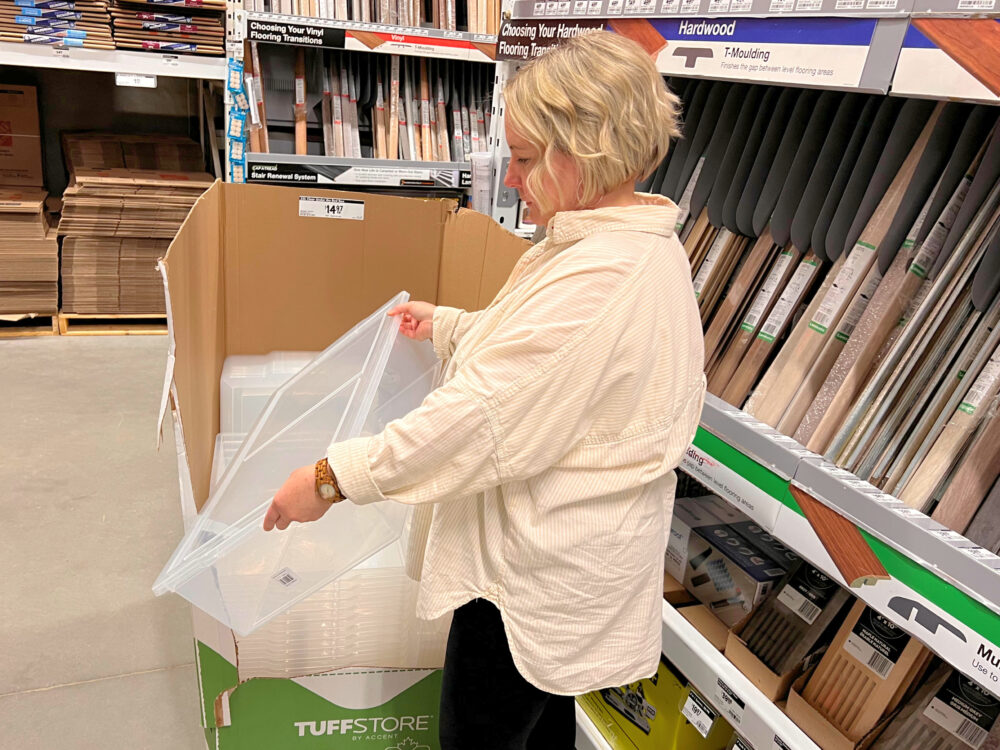
If you have ever stood in the aisle of a store, holding a pretty little basket or a set of matching totes, thinking “this will finally make my house feel put together” you’re not alone.
This is actually one of the most common places women start when they are overwhelmed by their home – I mean, retail therapy, come on! And it seems to make sense. When things feel chaotic, we naturally reach for something that looks calm. Something pretty. Something that promises order without discomfort.
But starting here is also one of the biggest reasons people end up feeling discouraged instead of encouraged.
Not because the bins are bad.
Not because you did anything wrong.
But because this step is out of order.
Key Takeaways, TL;DR
- Organizing clutter without decluttering first creates unnecessary stress and confusion.
- Cute storage solutions feel like progress but often just relocate clutter instead of reducing it.
- Decluttering first brings emotional relief, making organizing later more effective and sustainable.
- Real progress involves reducing items rather than creating a perfect appearance.
- Starting at any point is okay; prioritize decluttering to ease the process.
Why the “cute stuff” feels so tempting
When your home feels messy or overwhelming, your nervous system is already tired and you feel overwhelmed.
You want relief.
You want a win.
You want something that feels hopeful instead of heavy.
Cute baskets and organizing containers feel like progress because they are visual and immediate. They promise transformation without requiring hard decisions. They whisper, “Just put it in here and things will feel better.”
Emotionally, this feels safe.
But emotionally safe does not always mean strategically helpful. And trying to organize clutter is always a strategic mistake.
The problem with organizing before decluttering
Here is the hard truth, said gently:
You cannot organize clutter.
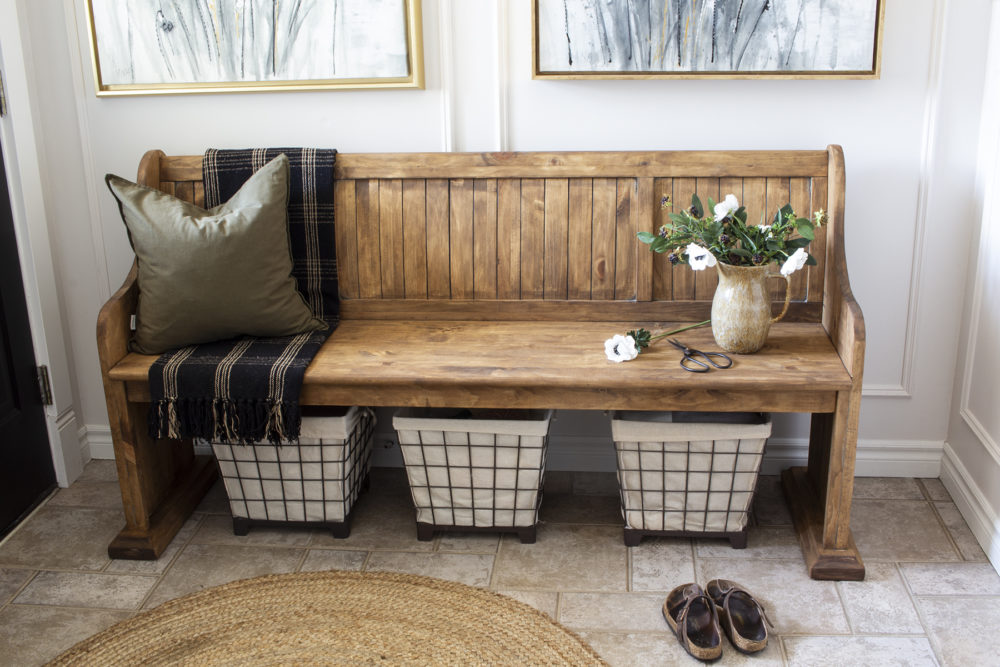
When you buy containers before you reduce what you own, you are not creating clarity. You are just giving clutter a new address.
What usually happens next looks like this:
- The bins fill up quickly.
- Drawers still feel crowded.
- Closets still feel stressful.
- You wonder why it does not look like it does in your head (or in everyone else’s Instagram feed).
And then the shame creeps in.
You start thinking you picked the wrong bins.
You think you need more containers.
You think maybe you just are not good at this.
But the issue was never you.
The issue was the order.
Why this mistake leads to burnout, not progress
When you focus on organizing clutter, you are asking yourself to maintain systems that are too full, too tight, and too fragile.
Everything feels harder because:
- There is no breathing room.
- There is no margin.
- There is no sense of completion.
So even when you try, it feels like nothing sticks.
This is often the moment people give up and decide they are “just messy” or “not organized.”
But what actually happened is that they tried to build structure on top of excess.
That is exhausting.
Decluttering first creates emotional relief, not just physical space
Decluttering is not about being ruthless or minimal or perfect.
It is about reducing decision fatigue.
It is about creating space for your home to work with you instead of against you.
It is about lightening the emotional load you are carrying every day.
When you declutter first, even a little, something shifts:
- Rooms feel calmer.
- Surfaces feel less demanding.
- Your brain stops scanning for what is wrong.
And then, when you do organize later, it actually works.
The bins do not have to work so hard.
The systems feel sustainable.
Your home feels kinder.
Progress does not look like perfection
One of the quiet reasons people rush to the cute stuff is because they want proof that they are doing it right.
But progress does not need to look polished to be real.
Progress looks like:
- Making space.
- Letting go.
- Feeling a tiny bit lighter than you did yesterday.
Those changes might not photograph well, but they change how you feel in your home. And that is what actually matters.
A gentle reminder if you feel behind
If you are reading this and thinking, “I already did this wrong,” please hear this:
There is no such thing as starting too late or out of order in a way that cannot be adjusted.
You can pause.
You can reset.
You can choose a calmer next step.
You do not need to catch up.
You do not need to fix everything.
You just need a clear place to begin.
FAQs
Yes. Organizing tools can be helpful, but only after you know what you’re keeping. When bins come before decluttering, they often end up holding clutter instead of creating clarity.
Decluttering is deciding what stays and what goes. Organizing is deciding where the things you keep will live. When you reverse that order, everything feels harder than it needs to be.
Because you’re asking yourself to maintain systems that are too full and too tight. Without enough space or margin, even the best organizing efforts feel fragile and frustrating.
You haven’t ruined anything. You can simply pause, declutter first, and then use what you already have more effectively. Progress doesn’t require starting over, just starting in a calmer order.
Start with reducing, not rearranging. Letting go of a few things creates emotional relief and makes every next step easier. You don’t need to fix everything to feel a little lighter.
A soft place to start
If your home feels heavy right now and you want guidance that focuses on progress, not perfection, not shopping, and not keeping up, the Calm Happy Spaces Challenge is a supportive place to begin.
It is designed to help you take simple, doable steps toward a home that feels lighter, even if January has not gone the way you hoped.
You are not behind.
You are allowed to start where you are.
Join the Challenge here and help your home to feel light again.
Want to see more content like this in your Google searches?
This button tells Google that Home Made Lovely is a source you like, so it can show you more of it.