Like twinkling stars fallen from the night sky, fireflies fill our summers with wonder and nostalgia. As a kid I would spend hours trying to catch them, just to hold them reverently in my cupped hands for a closer look at their blinking glow. Now I watch from my porch on balmy summer evenings and wonder if my young brain exaggerated their numbers, or if there really are fewer in my area than there used to be.
Some of the mysteries that fascinated me as a child have been answered: Though we fondly call them “fireflies,” “glowworms,” and “lightning bugs,” they aren’t flies, worms, or bugs. Lampyridae, as they are scientifically known, are a family of beetles that consists of more than 2,000 different species. They thrive in moist woodlands, and near rivers and riparian buffers, like my hometown full of creeks and marshes along the James River. Most species glow, and it’s believed that this acts as a warning to predators in larvae, which can be poisonous or inedible. Adult fireflies use it as a kind of Morse code, allowing species to recognize each other and mate.
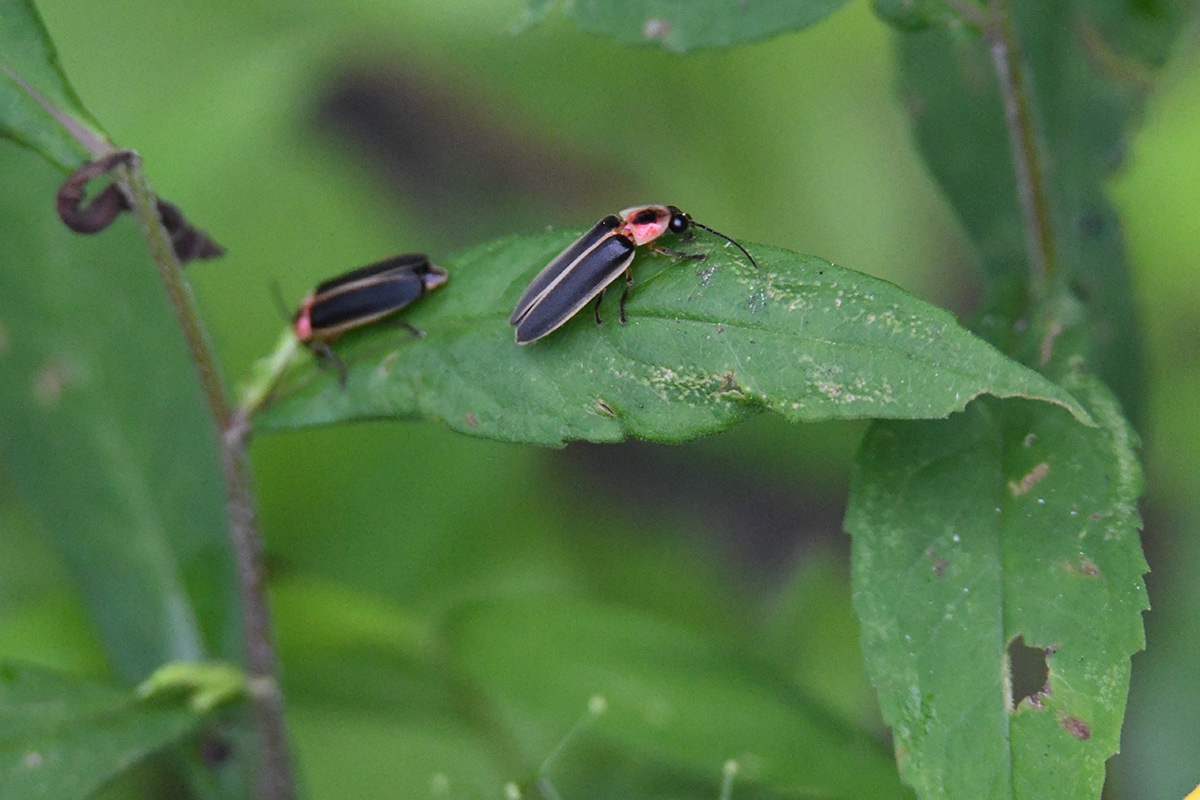
The mystery of their growing absence, though, lingers unsolved in the back of my mind as I pull the encroaching summer weeds and watch dusk settle around my garden.
Are fireflies disappearing?
I’m not the only one who’s been seeing fewer fireflies. The Florida intertidal firefly (Micronaspis floridana) in coastal Florida and Bethany Beach firefly (Photuris bethaniensis) in Delaware are two species currently threatened with extinction. Though an overall decline is suspected, more studies are needed to determine exactly how many species of firefly are disappearing and how fast. A 2021 study found that 14% of firefly species were threatened, but more than 50% of species lacked sufficient data to draw any conclusions (Source).
The decline in firefly populations is thought to be due to four main factors: habitat loss, pesticide use, climate change, and light pollution. Fireflies aren’t alone, either; these critical factors are negatively impacting many types of insects. So what can we do to help?
Gardens are important habitats for fireflies and other insects
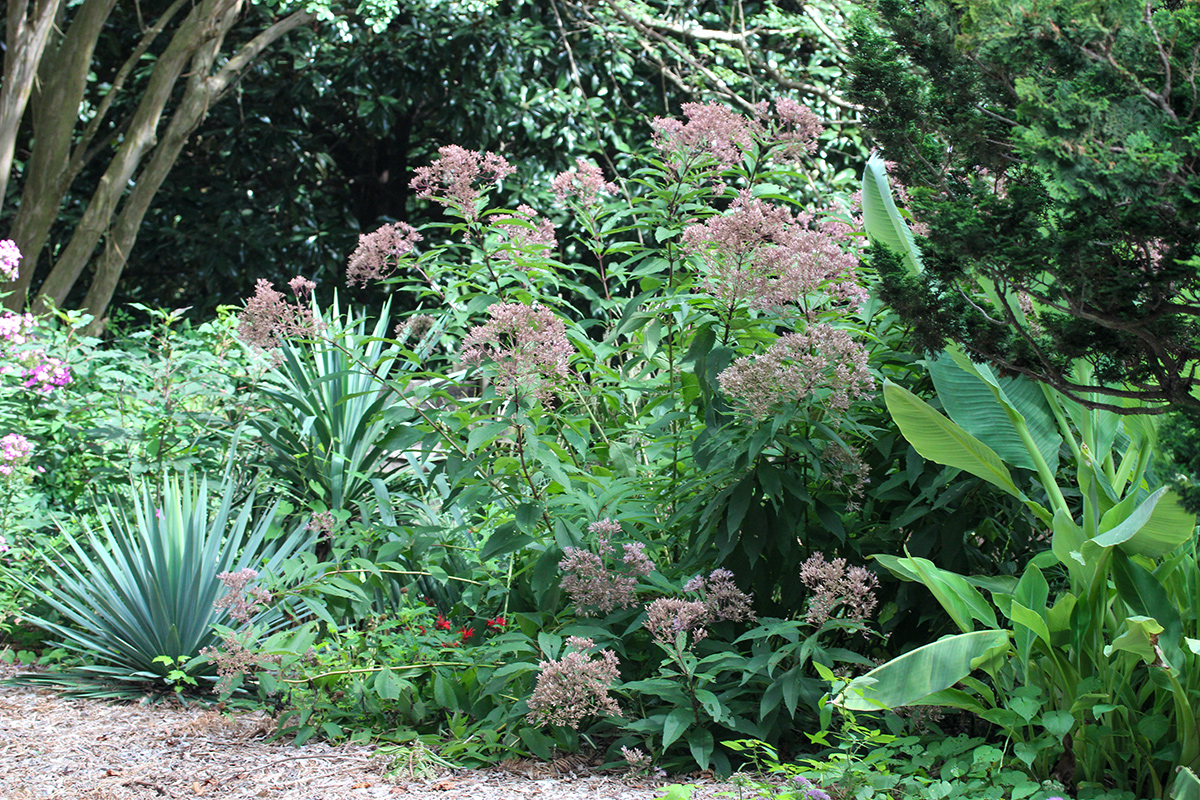
Although much of firefly habitat loss is caused by large-scale issues like climate change, residential development, and the loss of wetlands, there are things that we can do at home to ensure that our gardens and yards are safe spaces. These tips aren’t just good for fireflies; they can also help support butterflies, moths, bees, dragonflies, ladybugs, and other beneficial insects.
- Allow shade trees to grow, which will help retain moisture in the area.
- Plant biodiverse garden beds that provide plenty of hiding spaces for insects.
- Leave leaf litter in wooded and untraversed areas so larvae can hide.
- Allow deadheads and other dead herbaceous plant matter to remain through the winter so insects can shelter from freezing temperatures.
- Use nonchemical methods of pest control, such as handpicking pest insects and vacuuming or hosing them off.
- Follow safe and controlled methods for pesticide application when its use is unavoidable, like the steps outlined in ‘A Least Toxic Approach to Pesticides.’
Preventing light pollution to support fireflies
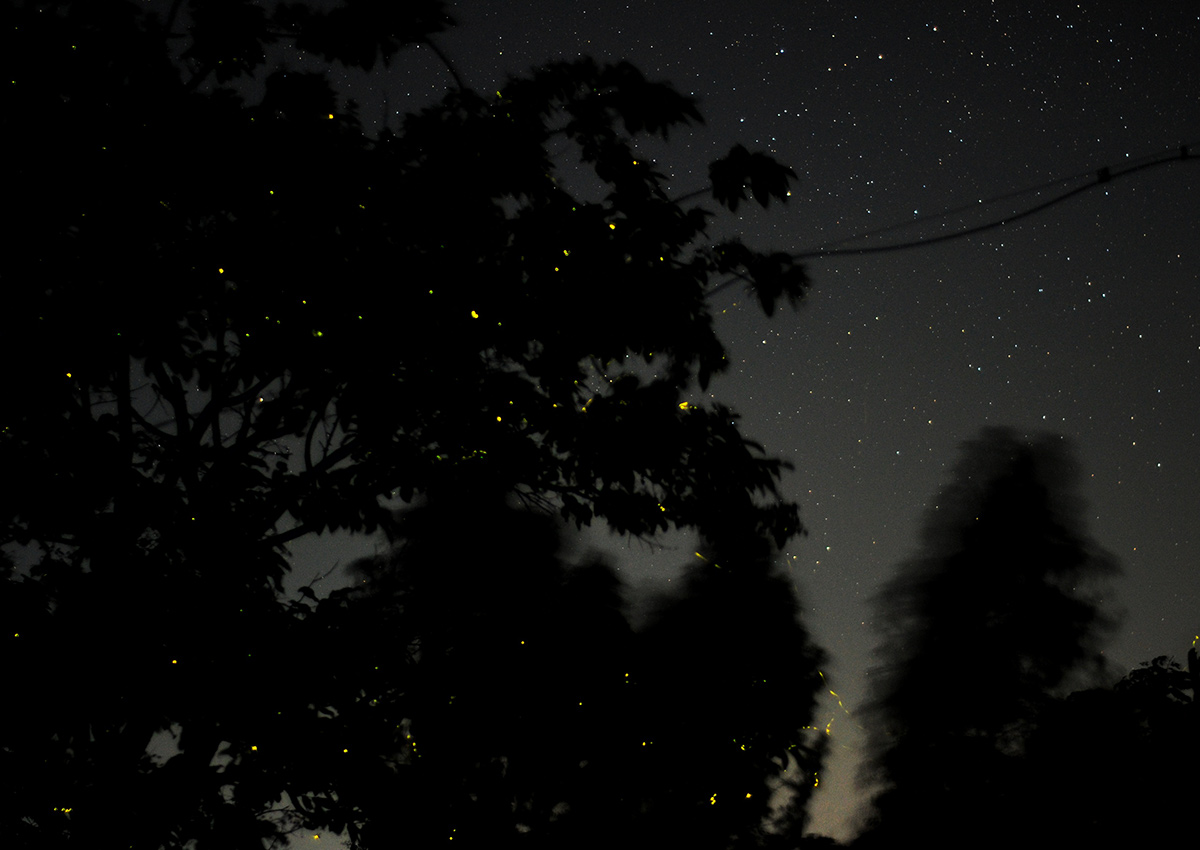
Earlier I compared fireflies to twinkling stars. Unfortunately, they have more than glowing in common. As light pollution increases, real stars are also disappearing from view. An abundance of artificial light brightens our nights, shielding our view of space and making it harder for predominantly nocturnal species like fireflies, moths, and crickets to find food, hide from predators, and locate each other to mate.
Restoring the darkness to our nights will require a widespread effort across each community, town, or city, but that shouldn’t deter you. The steps to reducing light pollution are actually relatively easy. Here are ways you can get started today:
- Remove unnecessary outdoor lights or turn them off when not in use.
- Choose motion sensor–activated lights over ones that stay on.
- Use downturned covers or shades for lights that direct them only toward intended areas, like sidewalks.
- Replace blue and white outdoor light bulbs with warmer ones.
- Close curtains indoors at night to prevent light shining outside.
- Become a dark sky–friendly home through DarkSky International.
- Encourage friends, family, and local businesses to do the same.
Final thoughts
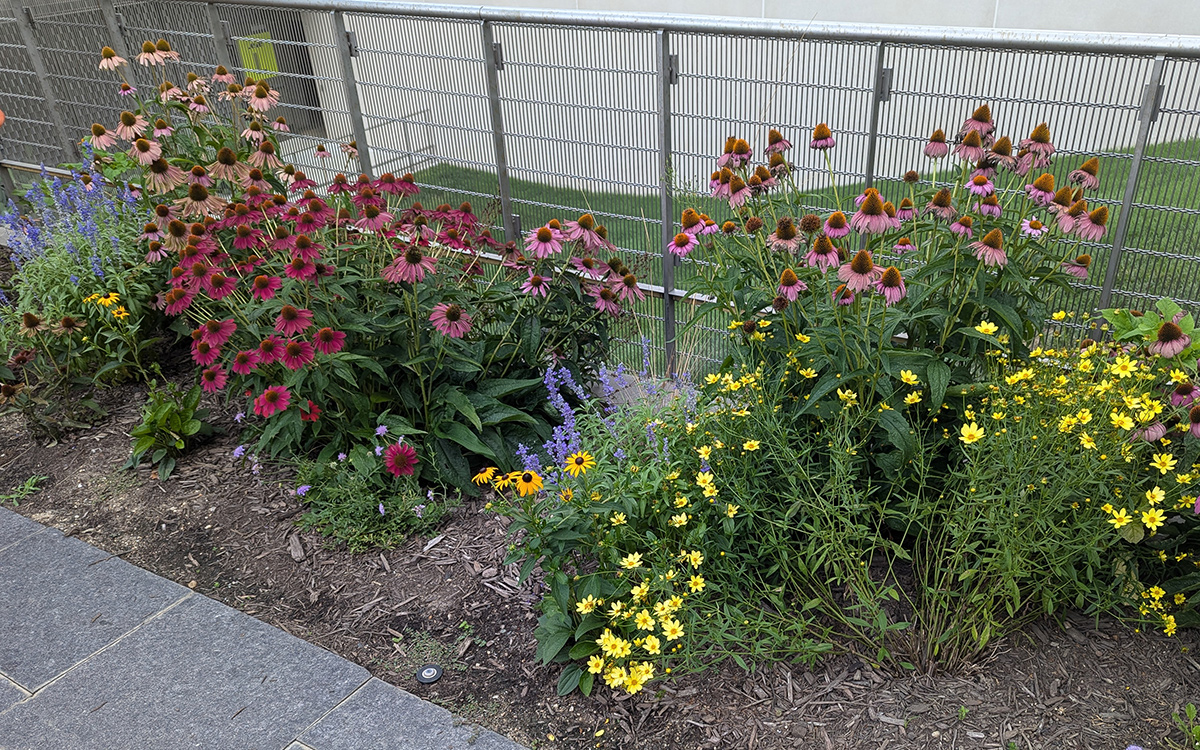
Once you’ve taken these steps to support fireflies and other beneficial insects in your garden, there’s one important thing to remember: Doing so will inevitably increase the number of new, unexpected, and sometimes unwanted insects in your garden. It’s all part of curating a space that facilitates life. An abundance of insects is a sign of a healthy garden, and while you don’t have to love every insect you encounter, achieving a peaceful coexistence with the tolerable ones will benefit your local ecosystem and help to maintain our planet’s biodiversity for generations to come.
Find more ways to support insects and wildlife in the Southeast:
Discuss this article or ask gardening questions with a regional gardening expert on the Gardening Answers forum.
And for more Southeast regional reports, click here.
Cheyenne Wine is a writer and gardener with experience in the plant nursery industry. She currently helps promote conservation efforts through the Virginia Department of Conservation and Recreation.