Over the last few years, I’ve made a lot of changes in how I cook and shop for our family. Some of those changes were for health reasons — and some, especially lately, have been to help us save money. Thankfully, it turns out those two goals don’t have to be at odds.
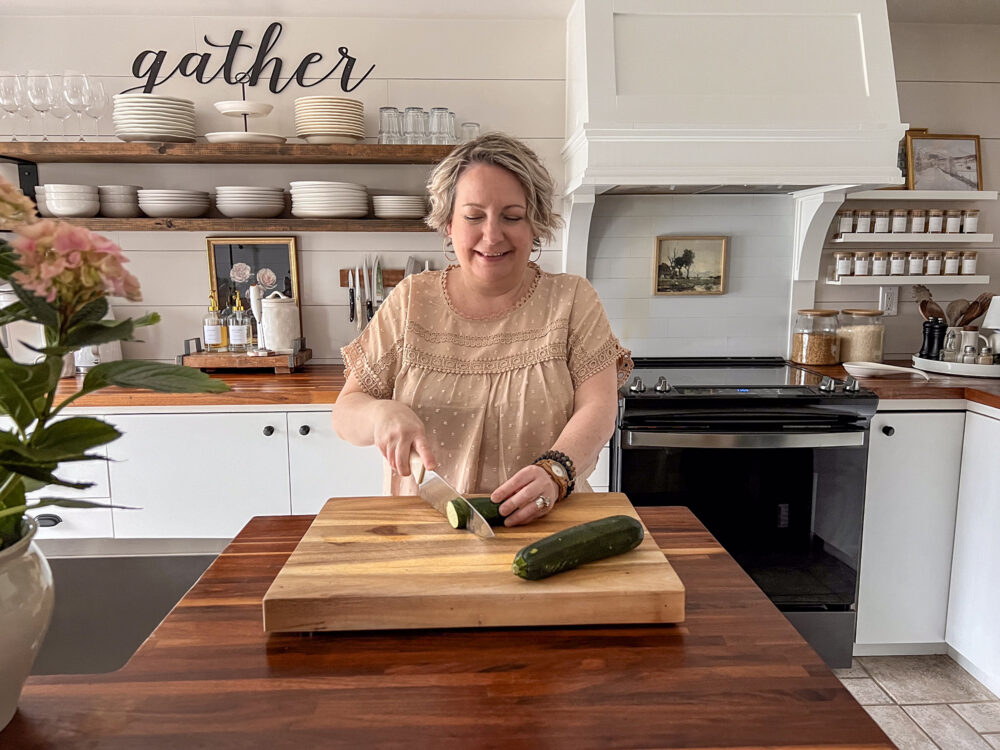
About three years ago, Dean and I went fully plant-based for health reasons. We were both dealing with chronic inflammation and pain, and I was struggling with a couple of “lumps” where there shouldn’t be and we knew something needed to change. Since shifting the way we eat (and yes, it was a learning curve), we’ve both seen big improvements — and as a happy bonus, our grocery bill has gone down too.
If you’re looking for a way to feed your family well without blowing the budget — and without getting into extreme couponing or bland, boring meals — I’m happy to share what’s worked for us.
5 Real-Life Ways We’re Eating Plant-Based on a Budget (and Still Loving Our Meals)
1. We focus on whole, simple ingredients
The core of our meals is now things like rice, quinoa, beans, lentils, and lots of fresh and frozen vegetables, and fruit. I use a lot of carrots, cauliflower, kale, spinach, and cabbage — all budget-friendly, especially when you buy what’s in season or on sale. I’ve learned that flavorful sauces and spices make all the difference, even when the ingredients are basic.
2. I prep once, and reuse ingredients in different ways
Batch-cooking grains and potatoes and chopping veggies in advance helps me make quick meals without defaulting to takeout. I might make a big batch of rice and use it for stir fry one day, burrito bowls the next, and soup on day three (if it lasts that long in a house of six adults!). I rotate flavor profiles — Mediterranean, Asian-inspired, Mexican — so it doesn’t feel repetitive.
3. We (mostly) avoid expensive substitutes and processed vegan products
There are so many plant-based alternatives on the market now, but most of them are expensive, highly processed, and not great for inflammation. Instead of reaching for vegan cheese or mock meats, I keep it simple: canned beans, a little seasoned tofu (or fava based tofu), or creamy sauces made with things like raw cashews, blended cauliflower and lite coconut milk.
4. We keep snacks and extras minimal (but not joyless)
I’ve always had a bit of both a sweet tooth and a salty tooth (is that a thing?) — so I make sure we have something a little fun, like a fruit crumble or a homemade treat, so meals don’t feel like deprivation. We keep chips for movie nights, or weekends not as a daily snack. That alone has saved us so much money – and helped to keep the inflammation at bay.
5. We eat from our pantry and freezer regularly
Instead of defaulting to the grocery store every time I meal plan, I “shop” our pantry and freezer first. It’s amazing how much we already have — frozen veggies, dried legumes, canned veggies (look for ones without sugar), brown rice — and using those first has helped us cut our grocery bill by a third some weeks. If you’re trying to do the same, check out this post: The Capsule Kitchen.
FAQs
Not if you focus on whole foods. Processed vegan products can definitely add up, but basic staples like rice, lentils, potatoes, and seasonal produce are often cheaper than meat and dairy.
We get plenty from legumes, beans, seeds, grains, and vegetables. We also like smoothies and use some clean protein powders. If you can tolerate soy, use some of that. I don’t worry about it much — and honestly, I have more energy eating this way.
Our kids are grown now, but I tend to keep meals flexible — like “build your own” bowls — so everyone could adjust to their taste. Sometimes they’ll cook their own food if they’re wanting meat or something else.
It varies, but since going plant-based and simplifying, we often spend 25–40% less than we used to — even with rising prices. Planning ahead and price matching online helps a lot.
If you’re trying to feed your family well on a budget…
Know this: you don’t have to be perfect or Pinterest-worthy. You don’t have to become a coupon clipper or give up every treat. With a few simple shifts — and maybe a little experimentation — you can eat well, feel better, and save money at the same time.
If you want more ideas, let me know in the comments. I’m happy to share some of our go-to meals, sauces, or grocery staples!